Mars: The Cool, Red Planet
Astronomy

Mars: The Cool, Red Planet

Kancil Science Team
Kancil Science Team
31 March 2023
On this page (7)

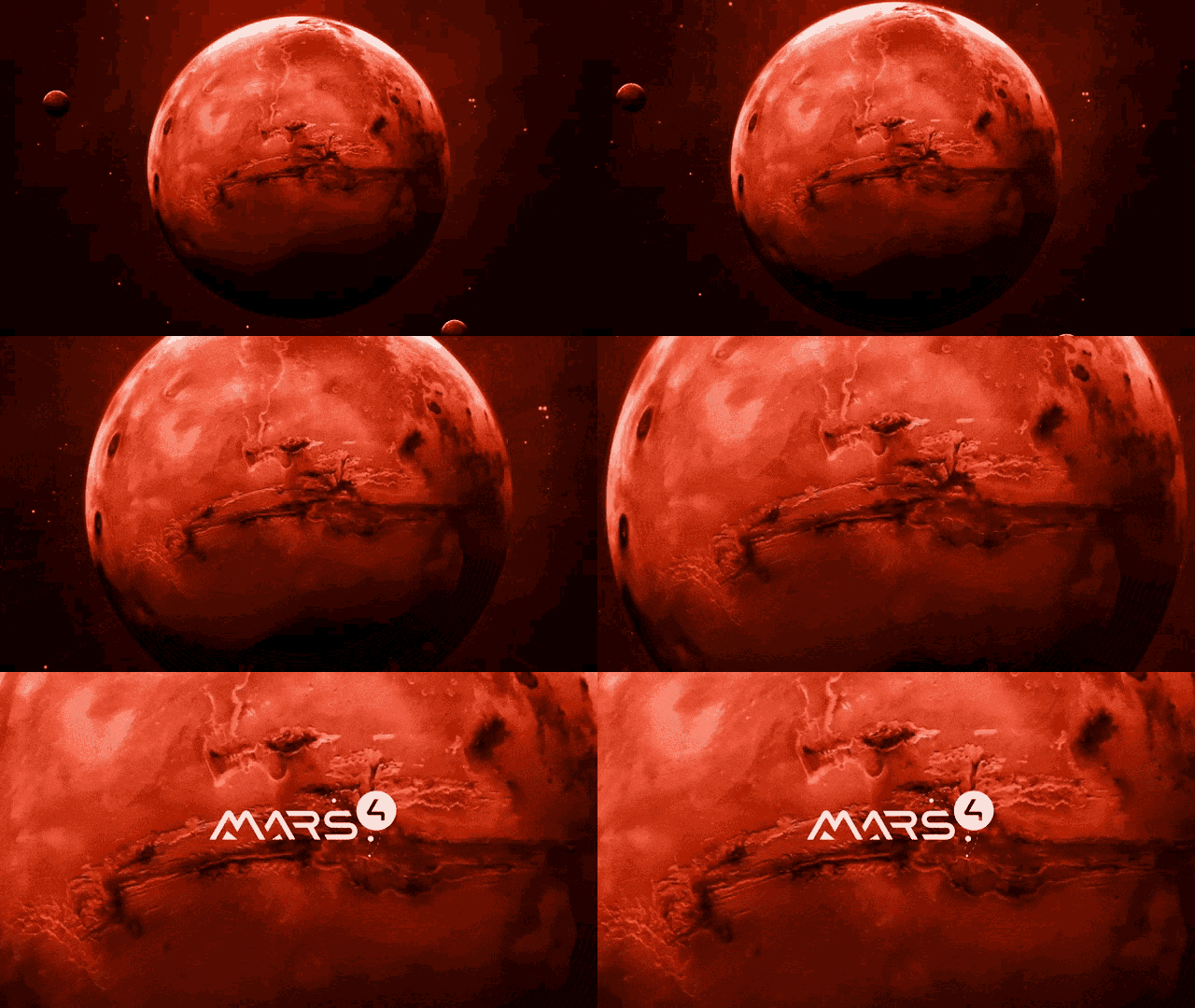
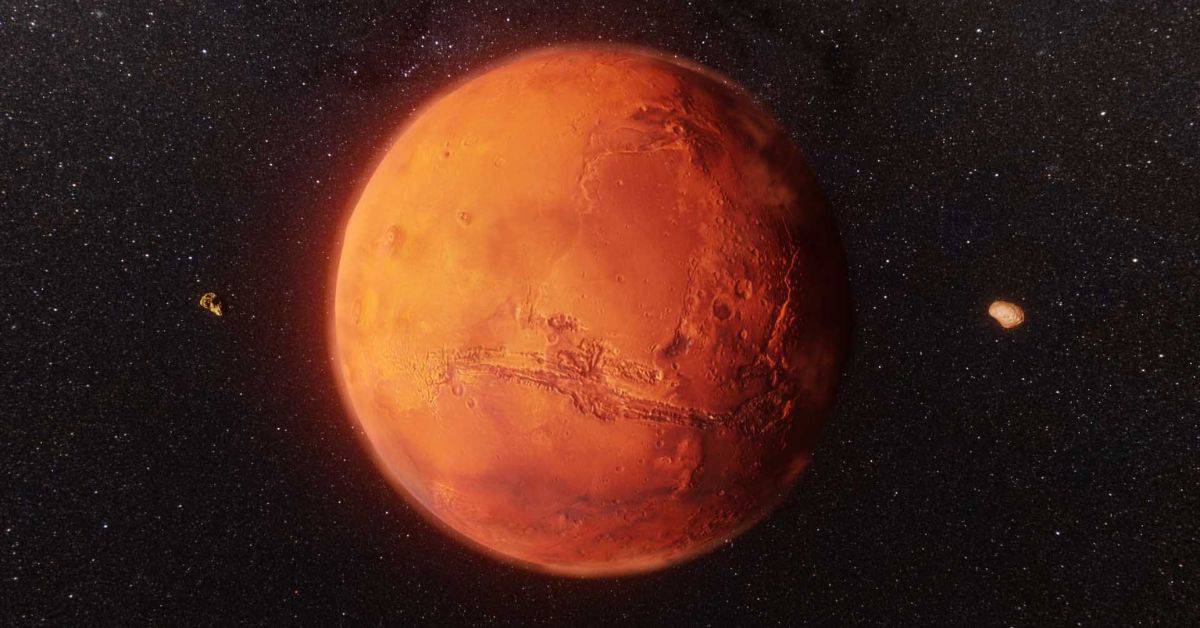
Mars is a planet that's about half the size of Earth, and it's known as the Red Planet because it's red (obviously).

Mars is a planet that’s about half the size of Earth, and it’s known as the Red Planet because it’s red (obviously).

That red colour comes from rusted iron in the ground, not because of a huge tomato sauce spill.

What's on Mars?

Mars

Mars is a lot like Earth in some ways! It has seasons, polar ice caps, volcanoes, canyons, and weather.

However, there are some big differences. Its atmosphere is thin and mostly made of carbon dioxide, nitrogen, and argon.

Water on Mars

Water is essential for life as we know it, and while Mars used to have ancient floods, now most of the water on the planet exists as ice and thin clouds.

But there’s evidence of liquid salty water in the ground on some hillsides! Maybe some alien fish are swimming around down there.

Life on Mars

Scientists are interested in discovering if there was ever life on Mars or if it could support life in the future.

Maybe some little green aliens are hanging out somewhere on the planet!

The Surface and Atmosphere

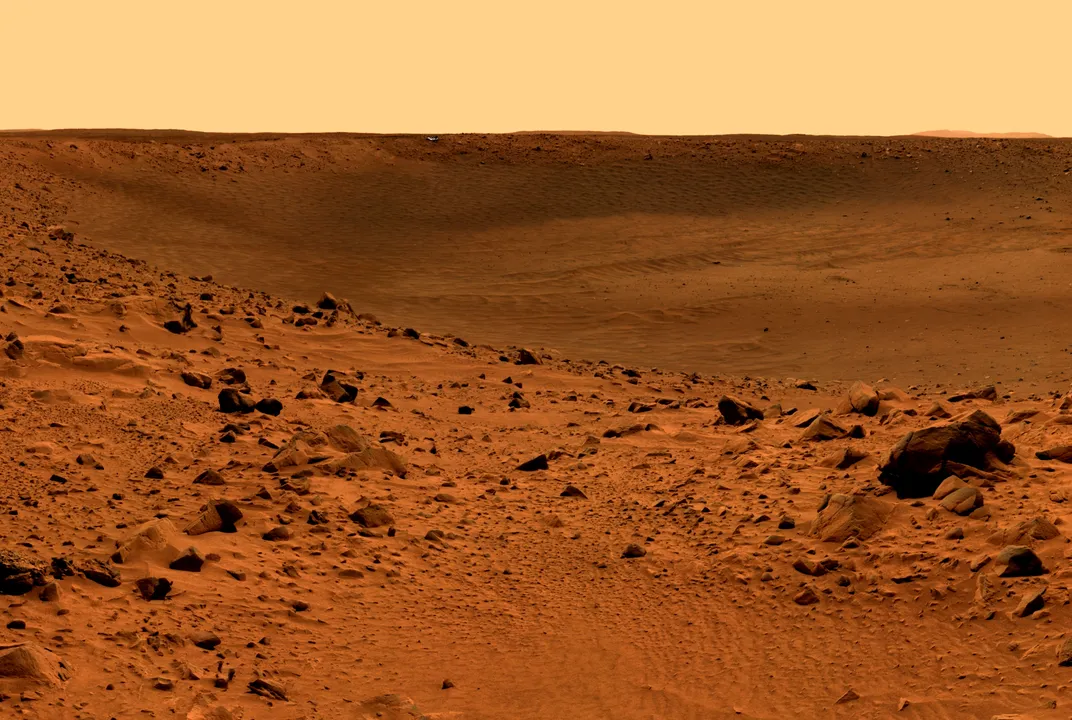
mars surface

Mars is a terrestrial planet, which means it’s rocky like Earth. But its atmosphere is thin, so you’d need a thick coat to keep warm.

Even though its atmosphere is active, the planet’s surface is not. Its volcanoes are all dead.

Time on Mars

If you’re planning a trip to Mars, set your watch! One day on Mars is a little longer than Earth’s, at 24.6 hours.

And, one year on Mars is almost twice as long as a year on Earth, at 687 Earth days.

Mars' Neighbors

Mars has two moons, Phobos and Deimos. They sound like they could be characters from a sci-fi movie!

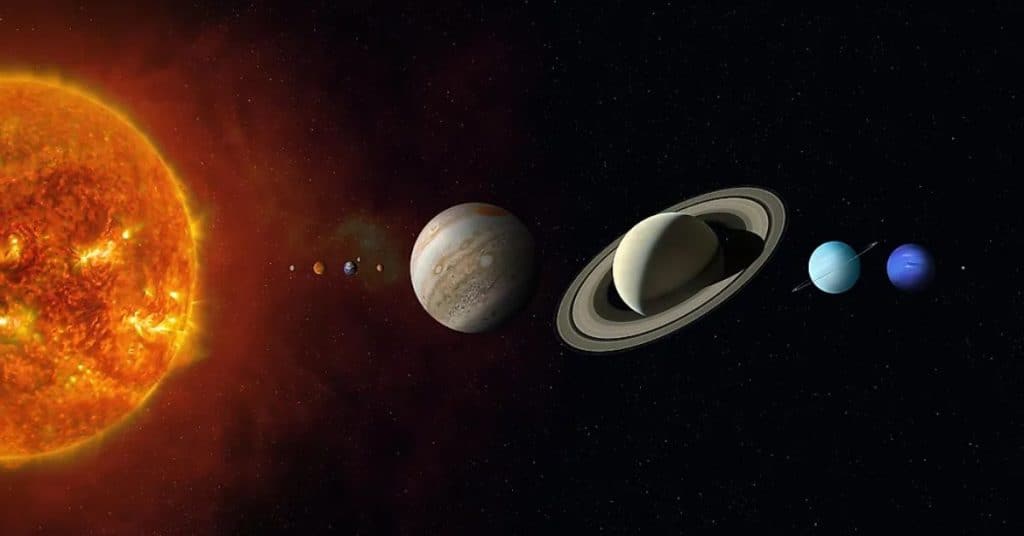
Mars is also the fourth planet from the Sun, with Earth and Jupiter as its neighbouring planets.

A Quick History

Mars has been around for a long time, and people have known it since ancient times.

It’s one of the only planets we’ve sent rovers to, which drive around the planet taking pictures and measurements.

To access relevant information, check out the following blogs:

Kancil Science
Kancil Science Team
Online · Usually replies in minutes
Today
Kancil Science

Hi, how can we assist you today?

Just now
Open Chat on WhatsApp

You'll be redirected to WhatsApp
Click me for assistance!